

The global Esports governance landscape is becoming increasingly crowded. Alongside established bodies like the Global Esports Federation (and the International Esports Federation), new Federations/Organisations (including a Foundation wanting in on the game) continue to emerge, each promising global coordination, athlete development pathways, and structured international competitions.
On paper, many of these organizations look remarkably similar.
They speak the language of governance frameworks, continental memberships, world championships, youth pathways, and ecosystem partnerships. They adopt familiar structures: presidents, secretariats, advisory boards, and development programs. The playbooks are increasingly alike.
But in reality, the long-term relevance of any Esports Federation will likely be determined by one strategic question:
Who truly owns the Virtual Sports conversation?
For the International Olympic Committee, the core challenge with Esports has never simply been popularity or scale. Competitive gaming already commands massive global audiences. The issue has always been alignment with Olympic values, sporting structures, and credible governance models.
This is where Virtual Sports becomes the strategic bridge.
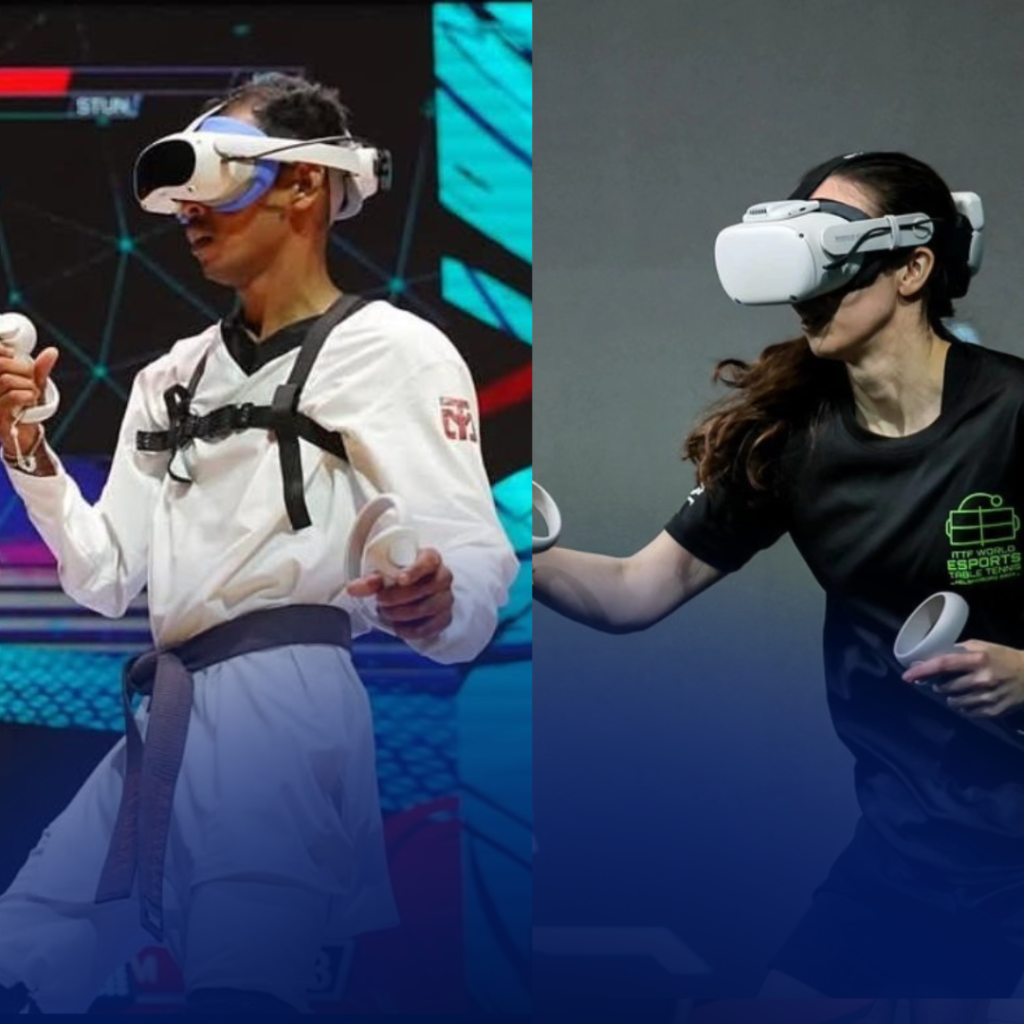
Virtual Sports, digitally simulated versions of traditional sporting disciplines, offer something unique. They connect the credibility of established Sports Federations with the accessibility and engagement of gaming. They create a pathway where traditional sport and digital competition can coexist within a shared framework.
In many ways, the IOC is not searching for an Esports Federation.
It is searching for a Virtual Sports partner.
The Federation/Organisation that successfully positions itself as the global home of Virtual Sports governance, development, and competition will hold the strongest strategic relevance in Olympic discussions. Not because it governs Esports broadly, but because it speaks the institutional language the Olympic movement understands.
In the coming decade, the Esports Federation landscape may continue to expand but relevance will not be determined by how many Federations exist.
It will be determined by who builds the most credible bridge between Traditional and Virtual Sports.