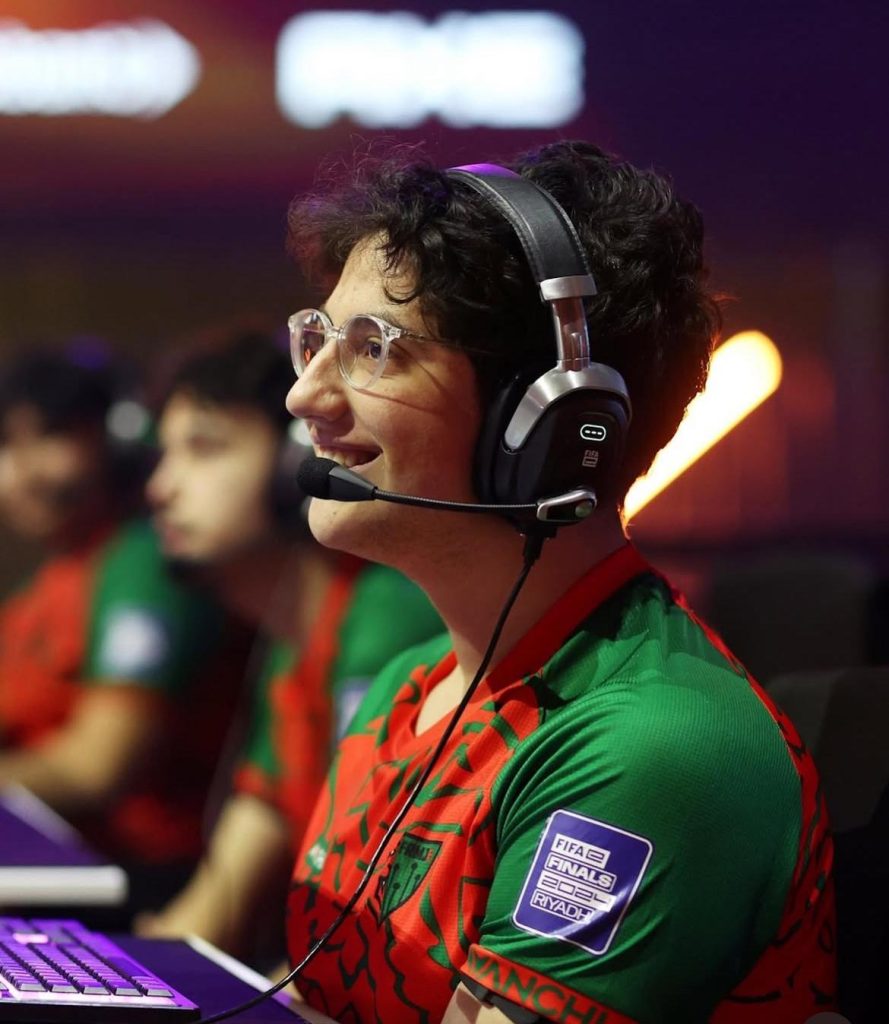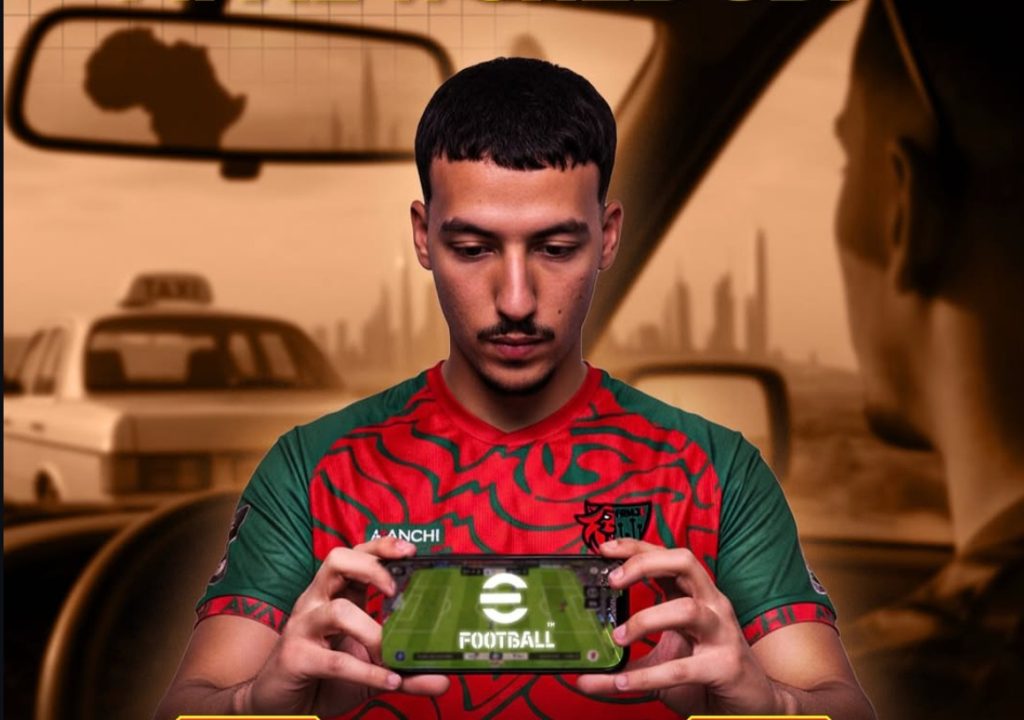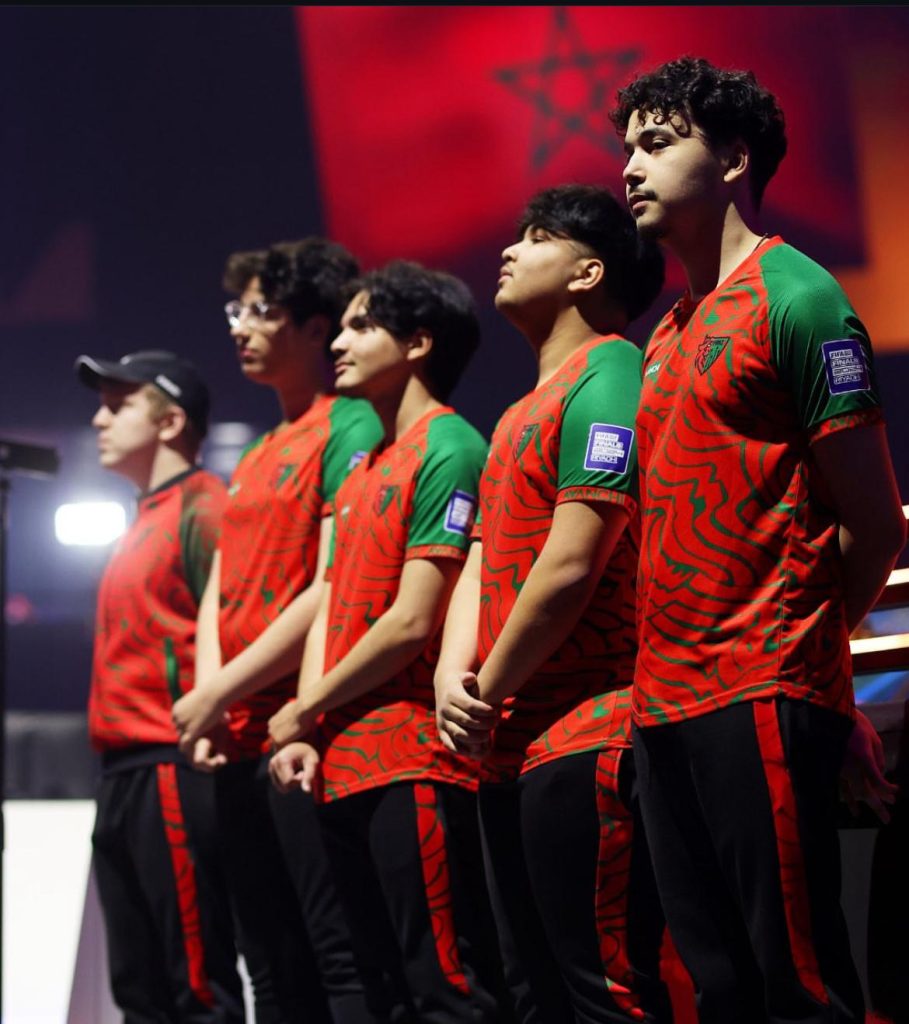


The FIFAe Nations League 2026 is now underway, and for African nations, it represents the first and most critical step on the road to the FIFAe World Cup 2026 featuring eFootball™ Console, to be held in Riyadh, Saudi Arabia later this year. With more than 120 nations set to compete across multiple qualification pathways, this marks the largest and most inclusive FIFAe season to date, with more than half of FIFA’s Member Associations taking part.
The FIFAe Nations League lays the foundation for nation-based competition. Teams earn places through the Nations League to advance to continental qualifiers, where the strongest nations compete for spots at the FIFAe Finals. The national team season spans three formats: eFootball Console, eFootball Mobile, and Rocket League. The eFootball Mobile format introduces a first-ever 2v2 structure for 2026, boosting teamwork and mirroring the team-based approach of the console competition.
Nations compete in 2v2 matches in both the Console and Mobile categories. To reach the World Cup stage, players must first be selected as national representatives, with FIFA Member Associations using various methods to identify their squads.
According to FIFA, 115 countries qualified for the eFootball Console competition, 81 for eFootball Mobile, and 84 for Rocket League. Africa is well represented across all three formats, with notable nations including Nigeria, Ghana, South Africa, Morocco, Egypt, Kenya, and Senegal confirmed across the various tracks.
Nigeria secured qualification for all three divisions of the 2026 FIFAe Nations League, eFootball Console, eFootball Mobile, and Rocket League, underlining the country’s growing presence in global esports. This is particularly significant given that Nigeria’s senior national team missed out on the 2026 FIFA World Cup.
The African Group Stage Draw
The Africa region is divided into groups for the eFootball Console qualifier, with matches played fully online across three qualifying weeks. Teams earn Consistency Points based on their group stage and knockout stage results, with the top-performing nations advancing to the FIFAe Continental Championships.
Group A – Botswana, Comoros, Egypt, Somalia, South Africa, Tunisia
Group B – Chad, Kenya, Mauritius, Nigeria, Senegal, Tanzania
Group C – Congo DR, Ghana, Libya, Seychelles, South Sudan
Group D – Cote d’Ivoire, Guinea, Madagascar, Morocco, Zimbabwe
The Qualifier Schedule
The FIFAe Nations League Africa qualifying weeks are structured as follows:
Week 1: April 14, 2026 Week 2: May 12, 2026 Week 3: TBD
Teams accumulate Consistency Points across all three weeks. The strongest performers across the group and knockout stages advance to the FIFAe Continental Championships, which serve as the final qualification hurdle before the FIFAe World Cup itself.
What Comes After the Nations League?
The FIFAe Continental Championships represent the final step on the road to the FIFAe World Cup 2026, bringing together the strongest teams from each region. Nations will battle not only for World Cup qualification but also for the title of the first-ever FIFAe Continental Champions. Further details on format, schedules, and the number of qualification spots per region are expected to be published ahead of the Continental Championships.
In a new step designed to enhance storytelling throughout the year, FIFAe World Rankings and a player-based FIFAe Performance Index will track performance across all official competitions, offering fans deeper insight into form and rivalries as the season progresses.
A New Chapter for African eFootball
The FIFAe Nations League 2026 arrives at a meaningful moment for African football, both on and off the virtual pitch. With several of the continent’s traditional footballing powers absent from the 2026 FIFA World Cup, Nigeria being the most high-profile omission, the FIFAe stage offers a different kind of redemption and representation.
Africa’s eFootball community has grown significantly in recent years, and the breadth of nations now participating across multiple formats is a reflection of that growth. The challenge now is to convert participation into performance. With qualifiers already underway, the continent’s virtual footballers have a genuine opportunity to put Africa on the global esports map — and the world is watching.