

The recent IOC statement on the Olympic Esports Games and the “Pause & Reflect” decision is revealing, but not surprising to anyone who truly understands the intersection of Esports, International Federations (IFs), and Olympism.
A few hard truths need to be said.
- IFs are a major reason for the slow pace
The Olympic Movement is consensus-driven. Once International Federations entered the Esports conversation, momentum was always going to slow. Each IF has its own governance, commercial interests, and level of digital maturity; alignment was never going to be quick, even, or simple. - Esports was never designed to sit neatly within the IF model
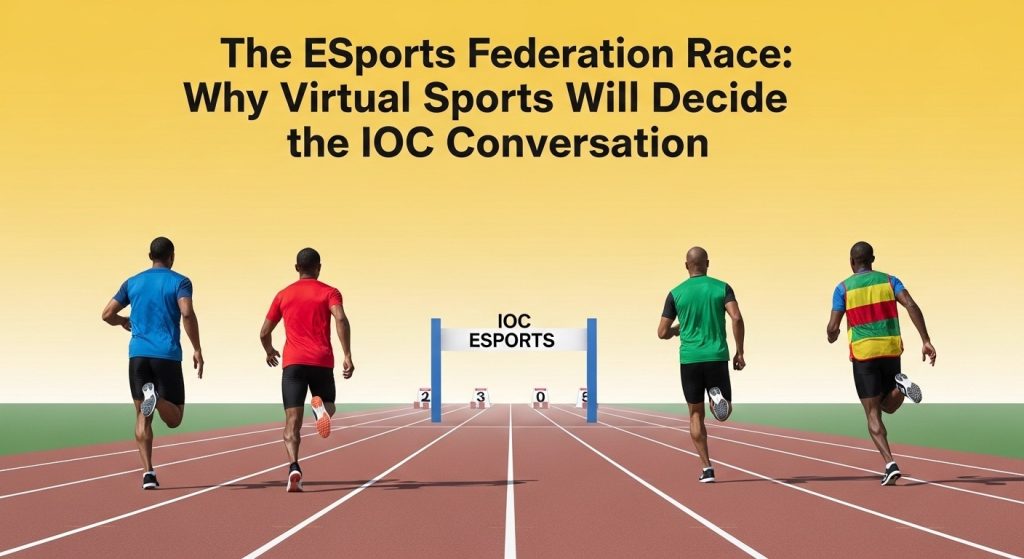
When the IOC first began prospecting esports, IFs were not part of the original equation. The initial thinking leaned towards a standalone “Esports Federation.”
The problem? Unlike traditional sports, federations do not own esports. Publishers do. IP does. Platforms do. That fundamental mismatch created structural confusion from day one. - Follow the incentives
Once it became clear that Esports would attract commercial value, visibility, and relevance with younger audiences, IFs understandably moved to entrench themselves.
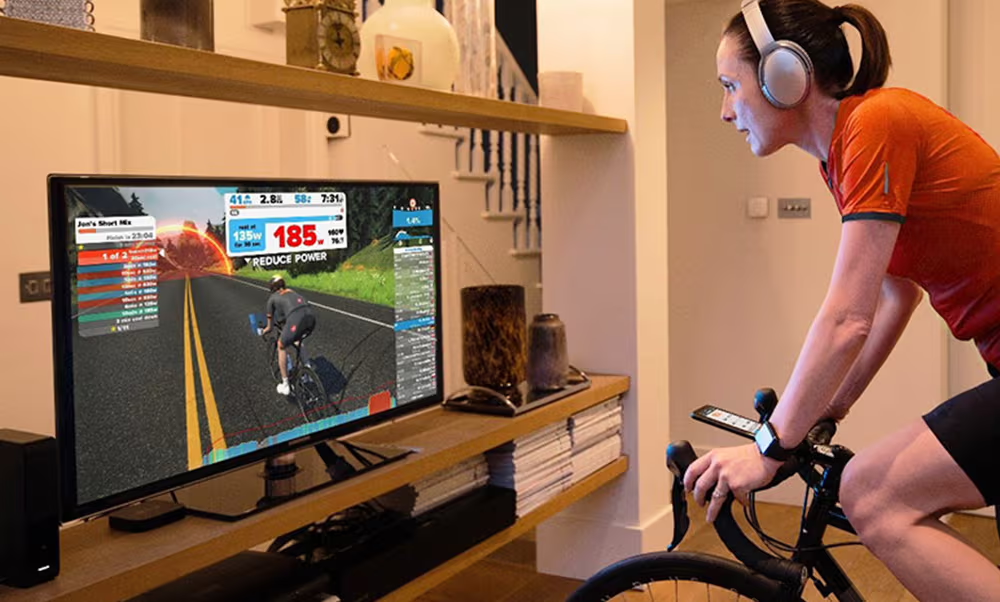
A clear case in point: David Lappartient (UCI President), who chaired the IOC Esports Liaison Group, oversaw one of the most vibrant and commercially successful esports activations in global sport, cycling esports. That wasn’t accidental.
- My honest view: the IOC should drop the word “Esports” altogether
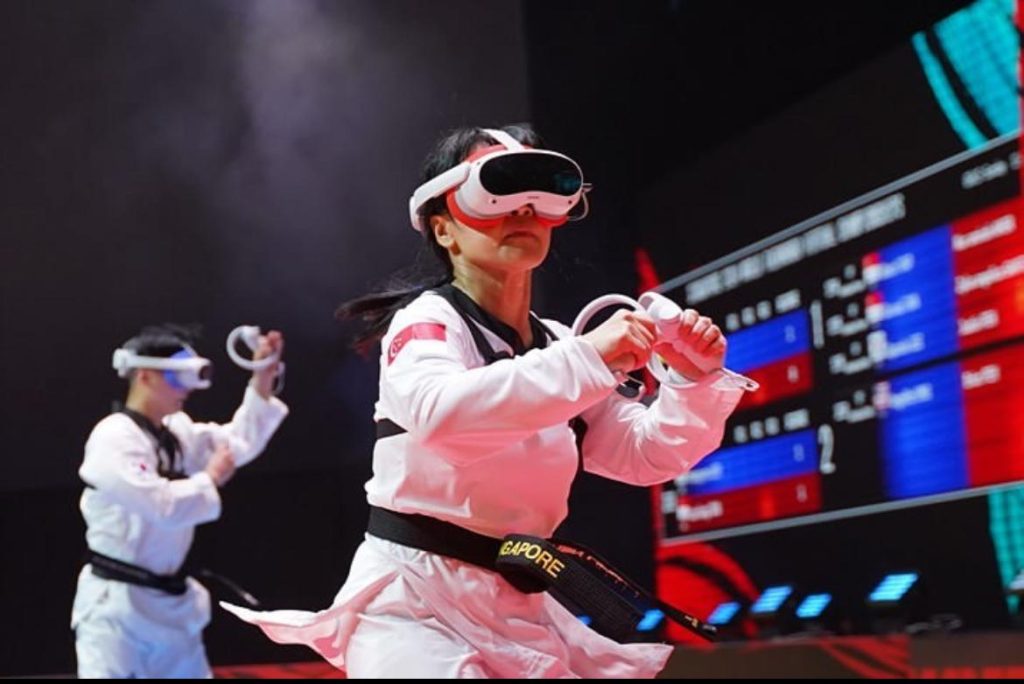
The IOC already had the right framing once: Virtual Sports.
The Olympic Virtual Series was directionally correct and may just be the right Reset to spring up from the Pause and Reflect
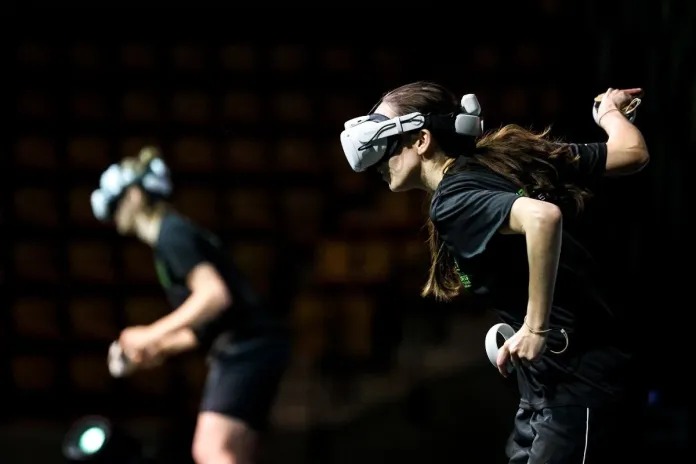
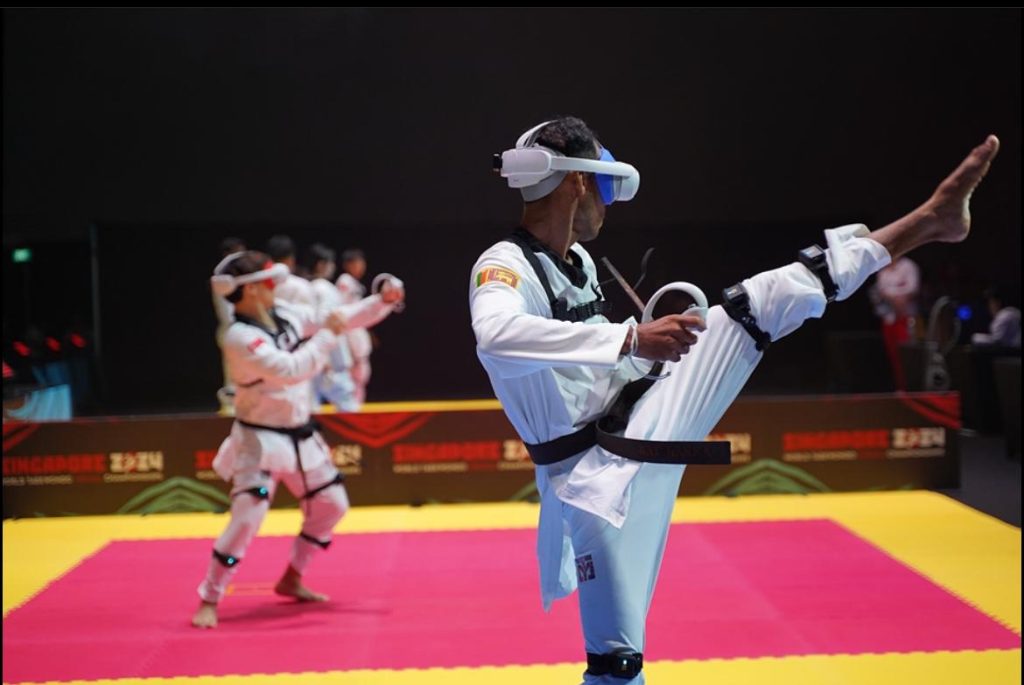

Rather than competing in the crowded and “politically” charged Esports ecosystem, alongside bodies like the GEF, IESF, and the new kids on the block, ENC, the IOC should own Virtual Sports outright:
- Digitised versions of physical sports
- Federation-aligned
- Values-consistent
- Olympic-ready
Insights from the Global Virtual Sports Report by the Mobiele Esports Agency clearly show that Virtual Sports offer the IOC clarity, control, and long-term sustainability, without the identity crisis that traditional Esports continues to present.
Sometimes progress isn’t about pushing harder. It’s about choosing the right lane.